
01/07/2026 0 Comments
Fit-for-Purpose Ship Design for Demanding Maritime Operations
How we work with fit-for-purpose ship design - ships made for their real operating enviroment.
The best vessel solutions are not shaped by the interests of an equipment supplier or a shipyard. They are shaped by the shipowner’s operational and commercial needs.
Sirius Design & Integration combines independent ship design and system integration in one offering, without being tied to specific equipment suppliers, systems or shipyards. This independence allows every major design and technology decision to be evaluated around what best serves the vessel’s mission and the shipowner’s long-term interests.
With key team members each bringing 30+ years of experience and more than 250 vessels designed and delivered, the Sirius team develops practical, buildable vessel concepts for demanding operations across fishery, offshore wind, oil and gas, and aquaculture.
Ship Design Built Around the Mission
Fit-for-purpose ship design starts with understanding the real operation. How will the vessel work? Where will it operate? What determines efficiency, safety and commercial performance?
In fishery, this may mean optimizing catch handling, freezing capacity, deck layout, crew safety and energy efficiency. Sirius develops designs ranging from coastal fishing vessels to advanced seiners, line vessels, freezing trawlers and pelagic trawlers.
A recent example is the new longline vessel for P/F Regn, part of the Framherji Group. Developed for demanding North Atlantic fisheries, the design focuses on efficient catch handling, strong onboard logistics, energy-efficient operations and robust solutions for the crew.
In offshore wind, vessels must support safe and efficient operations throughout the lifecycle of a wind farm. The Sirius team has worked in the offshore wind market since 2008 and develops concepts for SOVs, CSOVs, cable laying vessels and anchor handling vessels.
For oil and gas operations, vessel reliability and operational efficiency are critical. Sirius develops PSV and CSV concepts for offshore supply, marine construction, subsea operations and other complex tasks in demanding environments.
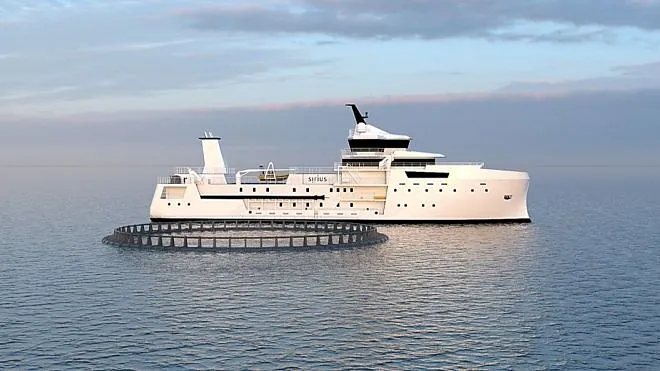
In aquaculture, vessel design must support fish welfare, safe handling and efficient sea-based operations. Sirius develops specialized vessels and system integration solutions in close cooperation with shipowners.
Independent Design and Smarter System Integration
A vessel is not just a hull. Its performance depends on how the complete design, machinery, propulsion, energy systems and operational equipment work together.
This is where the Sirius model is different.
By combining ship design and system integration, Sirius can evaluate the vessel as one complete operational system. At the same time, independence from both equipment suppliers and shipyards means that solutions can be selected based on the project’s actual needs rather than a predefined product portfolio, standard package or yard-specific preference.
The result is a development process where the incentives are aligned with the shipowner: better operational performance, smarter technology choices, lower energy use and stronger lifecycle value.
A recent example is the next-generation hybrid AWH vessel for Finnsnes Dykk & Anleggservice (FDA), where Sirius has been selected as both ship design and system integration partner. The multi-purpose vessel is designed for anchor handling, offshore aquaculture, pipelaying, subsea and ROV operations, combining operational flexibility with hybrid diesel-electric propulsion and battery energy storage.
Experience Proven Through Real Vessel Projects
Strong ship design requires more than concepts and claims. It requires experience tested through real projects.
With 30+ years of experience and more than 250 vessels designed and delivered, the Sirius team brings proven shipbuilding knowledge into every new project. That experience supports the full vessel development process, from analysis of existing operations and concept development to system integration, shipyard support and aftermarket services.
Whether the project is a longline vessel for North Atlantic fisheries, a hybrid multi-purpose offshore vessel or a specialized aquaculture vessel, the objective remains the same: to turn operational requirements into a vessel that can be built, operated and developed for long-term performance.
Designed for Performance, Built for the Future
The best ship design is not generic. It is built around a clear mission, supported by proven experience and developed without unnecessary commercial bias.
For shipowners in fishery, offshore wind, oil and gas, and aquaculture, combining independent ship design with system integration creates a stronger foundation for safer operations, smarter investment decisions and more sustainable maritime performance.
Sirius Design & Integration turns operational needs into vessel concepts and integrated solutions designed for the real world.
Frequently Asked Questions about Fit-for-purpose Ship Design
What is fit-for-purpose ship design?
Fit-for-purpose ship design is the process of developing a vessel around its actual operational requirements, commercial objectives and operating environment. Instead of starting with a standard vessel platform, the design is shaped by factors such as mission profile, cargo or catch handling, deck operations, crew requirements, energy use and lifecycle performance.
What is the difference between ship design and system integration?
Ship design defines the vessel’s overall concept, arrangement, structure and operational functionality. System integration ensures that machinery, propulsion, energy systems, automation and operational equipment work together as one complete vessel system. Combining both disciplines can improve performance, reduce technical risk and support better technology decisions.
Why is independent ship design important?
An independent ship designer is not tied to a specific shipyard, equipment supplier or predefined technology package. This allows solutions to be evaluated based on the shipowner’s operational and commercial needs, helping create stronger alignment between vessel performance, investment decisions and lifecycle value.
Which vessel segments does Sirius Design & Integration work with?
Sirius develops ship design and system integration solutions for demanding maritime segments including fishery, offshore wind, oil and gas, and aquaculture. Vessel concepts include fishing vessels, SOVs, CSOVs, cable laying vessels, anchor handling vessels, PSVs, CSVs and specialized aquaculture vessels.
How much experience does the Sirius team have?
The Sirius team has more than 30 years of maritime experience and has contributed to the design and delivery of more than 250 vessels. The team’s offshore wind experience dates back to 2008.
Does Sirius work with both shipowners and shipyards?
Yes. Sirius works closely with shipowners to define operational requirements and develop vessel concepts, while also supporting shipyards during engineering, construction and delivery. Because Sirius is independent of both equipment suppliers and shipyards, the focus remains on finding the right solution for the individual project.
Can Sirius support the full vessel development process?
Yes. Sirius supports projects from operational analysis and early concept development through ship design, system integration, shipyard support and aftermarket services. The scope can be adapted to the needs of each vessel project.
What are examples of recent Sirius vessel projects?
Recent projects include a new longline vessel for P/F Regn, part of the Framherji Group, and a next-generation hybrid AWH vessel for Finnsnes Dykk & Anleggservice.
Comments
Leave a comment