
02/09/2026 0 Comments
Aquaculture Vessel Design - Practical Engineering for Modern Fish Farming
Purpose-built vessel design is no longer optional.
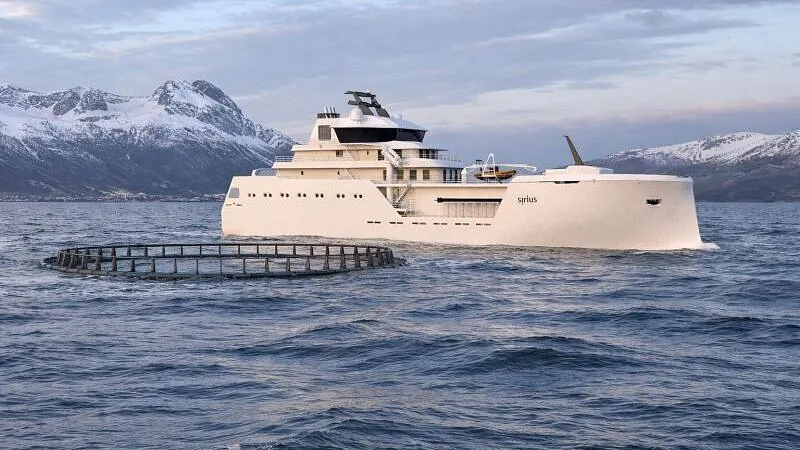
Aquaculture continues to grow in scale, complexity and geographic reach. As operations move further offshore and regulatory requirements increase, vessels have become a critical part of efficient, safe and sustainable fish farming. Purpose-built vessel design is no longer optional - it is a prerequisite for predictable operations and long-term value creation. That's why we take our aquaculture ship design seriously.
Sirius Design & Integration works with aquaculture operators and shipowners to develop vessels that are tailored to real operational needs. The focus is on functionality, integration and performance across the full lifecycle of the vessel.
Purpose-Built Vessels for Aquaculture Operations
Aquaculture vessels perform highly specialized tasks under demanding conditions. A successful design must support daily operations without compromise on safety, fish welfare or efficiency. Design work related to aquaculture includes service and support vessels for fish farming operations, live fish carriers and wellboats, vessels for feeding, harvesting and logistics, as well as designs prepared for low-emission and hybrid solutions. Each project starts with a clear understanding of how the vessel will be used in practice. Layout, capacity, systems and propulsion are developed accordingly - not added as afterthoughts.
Fish Welfare and Operational Safety
In aquaculture, vessel design directly affects fish health, crew safety and operational efficiency. Emphasis is placed on stable hull forms and predictable vessel behavior, efficient and gentle fish handling solutions, logical deck layouts and safe working areas, and robust systems designed for high uptime. By integrating biological, operational and technical considerations early in the design phase, risk is reduced and daily performance is improved.
Integrated Design Approach
Aquaculture vessels rely on multiple onboard systems working together. An integrated engineering approach is applied where hull design, propulsion and energy systems are developed as one solution, deck equipment and aquaculture systems are seamlessly integrated, and designs are optimized for construction, operation and maintenance. This reduces complexity, supports efficient vessel operation and provides better control over lifecycle costs.
Prepared for Future Requirements
Environmental performance and energy efficiency are becoming increasingly important in aquaculture. Designs are developed with energy-efficient hull and propulsion solutions, readiness for hybrid or alternative energy systems, and flexibility to adapt to future regulatory and operational requirements. This ensures that vessels remain relevant and competitive over time.
Experience That Delivers Operational Value
Aquaculture is a specialized industry. Successful vessel design requires practical insight, technical expertise and close collaboration with operators. The objective is to deliver vessels that work as intended, day after day, in real operating conditions.
Frequently Asked Questions
What types of aquaculture vessels do you design?
A wide range of aquaculture-related vessels are designed, including service vessels, live fish carriers, wellboats and logistics vessels. Each design is tailored to the specific operation.
How do you ensure fish welfare in vessel design?
Fish welfare is addressed through stable hull design, smooth flow paths, well-integrated handling systems and operational layouts that minimize stress during transport and handling.
Can vessels be prepared for low-emission solutions?
Yes. Vessels are designed with energy efficiency in mind and can be prepared for hybrid propulsion or future energy upgrades where relevant.
Do you adapt designs to specific farming operations?
Yes. Aquaculture operations vary significantly, and designs are developed in close cooperation with owners and operators to match the intended role and operating environment.
At what stage can you be involved in a project?
Support can be provided from early concept studies through detailed design and follow-up during construction, depending on project needs.
Comments
Leave a comment